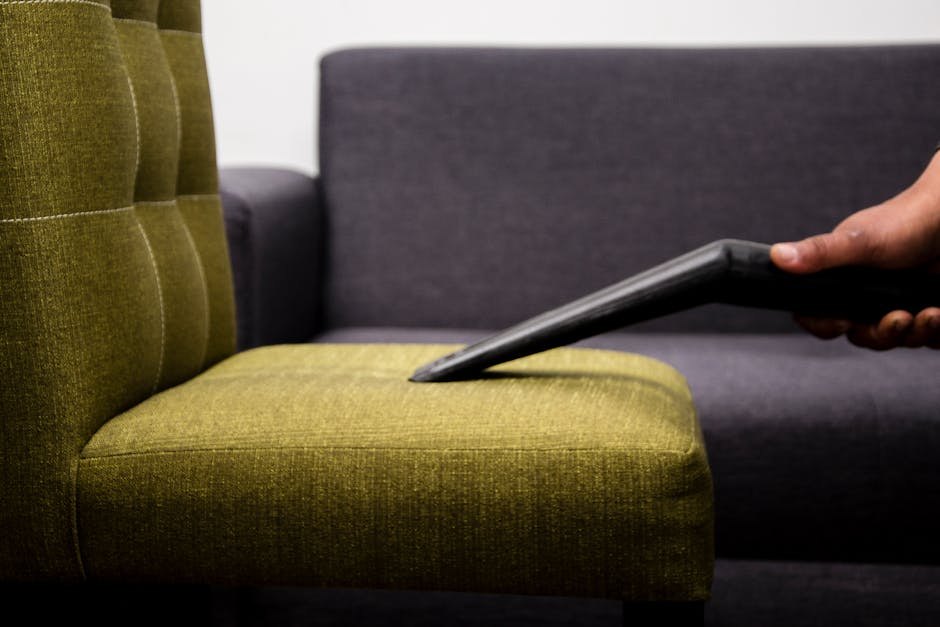
Leicester Square upholstery cleaning same day service

If your sofa has a fresh spill, a chair is marked before guests arrive, or a rented flat needs to look decent by tonight, Leicester Square upholstery cleaning same day service can be the difference between panic and a proper fix. In a busy central London setting, time matters. So does getting the cleaning right first time. This guide explains how same day upholstery cleaning works, who it helps, what to expect, and how to avoid the usual mistakes that leave fabric damp, patchy, or worse than before.
Truth be told, upholstery is often cleaned only when something has already gone wrong. Red wine, coffee, pet odour, grease, makeup, a muddy bag... it all shows up fast on fabric. The good news is that a prompt, well-planned service can save a lot of stress. Below, you'll find a practical breakdown of the process, plus clear advice on methods, safety, and decision-making.
Why Leicester Square upholstery cleaning same day service Matters
Leicester Square is not a place where people have the luxury of waiting around for a week while a fabric armchair slowly dries. Homes, serviced apartments, hotels, offices, bars, and short-let properties in and around the West End tend to run on tight schedules. Same day upholstery cleaning matters because the timing of the problem usually matches the timing of the next booking, meeting, or arrival. Not ideal, but very real.
The other reason is damage prevention. The longer a spill sits, the more it works its way into fibres, foam, and seams. Some stains set quickly, especially drinks with colourants, oils, and protein-based marks. Odours can also linger if moisture gets trapped inside cushions. A same day visit gives you a better chance of reducing staining and stopping that stale, damp smell that no one wants to walk into on a cold London evening.
There's also a presentation angle. Leicester Square sees a lot of footfall, and first impressions are unforgiving. A clean sofa, banquette, or waiting-area chair sends the right message. A blotchy one does the opposite. It's that simple.
Expert summary: Same day upholstery cleaning works best when speed and method go together. Quick action helps, but the right fabric assessment, stain treatment, and drying plan matter just as much as the clock.
How Leicester Square upholstery cleaning same day service Works
Most same day upholstery cleaning appointments follow a fairly efficient sequence. The exact process varies by fabric type, soil level, access, and how urgently the job needs completing, but the structure is usually similar.
1. Initial enquiry and job triage
The cleaner will normally ask what type of item needs attention, what happened, how long ago the mark occurred, and whether there are any known sensitivities like delicate fabric, pet hair, or a previous treatment. This isn't just admin. It helps decide whether the job can be handled on the day and which method is safest.
2. Fabric and stain assessment
Not all upholstery behaves the same way. Cotton blends, wool mixes, synthetics, velvet, linen, and leather alternatives all respond differently to moisture and cleaning agents. An experienced cleaner will look at fibre type, wear, backing, seam construction, and colourfastness before starting. That sounds technical, but in plain English it just means: don't soak something blindly and hope for the best.
3. Pre-treatment
Visible spots and heavy marks are usually pre-treated first. This may involve a targeted stain solution, odour treatment, or light agitation. In homes with pets, you may see a more focused approach to urine, drool, or tracked-in dirt. For those kinds of jobs, it can help to review a dedicated pet stain and odour solution alongside general cleaning.
4. Main cleaning method
Depending on the fabric and condition, the cleaner may use low-moisture extraction, hot water extraction, dry compound methods, or hand-cleaning techniques. Upholstery is more delicate than carpet, so the method has to be matched to the material. A sofa that looks sturdy can still be quite sensitive once wet. That catches people out all the time.
5. Rinse or extraction
Once the soil and cleaning agent have lifted, the surface needs thorough extraction or wiping to avoid residue. If detergent is left behind, fabric can feel sticky and attract dirt again quickly. Nobody wants a "cleaned" sofa that starts looking grimy after a few days. That would be rather annoying, to put it mildly.
6. Drying advice
Same day service does not mean instantly dry furniture. A reputable cleaner should explain realistic drying times, ventilation tips, and when the item can be used again. In central London flats, drying can take a bit longer because of limited airflow, heavy curtains, or compact rooms. Open windows help if weather and security allow.
Key Benefits and Practical Advantages
Speed is the obvious benefit, but it's not the only one. A same day upholstery clean can deliver a few very practical advantages that people often overlook at first.
- Damage limitation: the sooner a spill is treated, the better the chance of reducing permanent staining.
- Better hygiene: fabric sofas and chairs can trap dust, allergens, body oils, and general everyday grime.
- Odour reduction: fresh spills, pets, and damp patches can create smells that linger in closed spaces.
- Presentation for guests or clients: useful before viewings, arrivals, meetings, or hospitality bookings.
- Less disruption: a same day visit often means you can resolve the issue without juggling your whole week.
- Peace of mind: honestly, sometimes just knowing help is on the way calms the whole house down.
In a commercial or hospitality setting, the benefit is even clearer. A visible stain on a waiting-room seat or lounge sofa can undermine the feel of the whole space. If you also manage soft furnishings at work, it may be worth looking at commercial carpet cleaning and related deep-cleaning support so the whole environment feels consistent.
And if the issue is not just upholstery but the room itself, coordinating carpet care with carpet cleaning can make a noticeable difference. A freshly cleaned sofa sitting beside a tired carpet rarely looks quite right. The eye notices these things.
Who This Is For and When It Makes Sense
Same day upholstery cleaning is not only for emergencies, although emergencies do account for a lot of bookings. It makes sense whenever time is short, presentation matters, or the mark is likely to worsen if left alone.
It is especially useful for:
- Families dealing with sudden spills, food marks, or pet accidents
- Tenants preparing for an inspection or end-of-tenancy handover
- Landlords who need a property reset between occupancies
- Hospitality venues with sofa seating, booths, or waiting areas
- Office managers keeping reception furniture presentable
- Homeowners expecting guests, photographers, or cleaners later the same day
It also makes sense when the fabric is still salvageable. If a stain is fresh and the material has not been scrubbed repeatedly, the odds are generally better. On the other hand, if the item is already badly damaged, same day service can still help, but the outcome may be more about improvement than complete removal. That distinction matters.
For mixed soft-furnishing jobs, you might also consider pairing upholstery work with sofa cleaning, rug cleaning, or curtain cleaning if those items are contributing to the overall look or smell of the room.
Step-by-Step Guidance
If you want the best result from a Leicester Square upholstery cleaning same day service, it helps to know what should happen before, during, and after the visit. The process is not complicated, but a few sensible steps make a big difference.
- Blot, don't rub. If the spill is fresh, gently blot with a clean white cloth. Rubbing pushes the stain deeper and can roughen the pile.
- Keep the area clear. Move small items, cushions, throws, and breakables so the cleaner can access the furniture properly.
- Tell the truth about the stain. Coffee, wine, oil, ink, pet urine, makeup, food sauce - they all need different handling. Don't guess if you can avoid it.
- Point out any previous cleaning attempts. Sometimes a well-meant home remedy makes a stain harder to treat. Bit awkward, but it happens.
- Ask about fabric type and drying time. Good cleaners explain whether the item needs low-moisture treatment, spot work, or a gentler approach.
- Check ventilation. Open windows or improve air movement if possible. It helps with drying and freshness.
- Use the furniture as advised. If you're told to wait several hours, do it. Early use can flatten damp fibres or transfer residual moisture.
Here's the practical bit many people miss: same day service is not just about arrival time. It is about efficient diagnosis. The cleaner who spends ten minutes properly checking the fabric often saves you hours of uncertainty later. A rushed job, by contrast, tends to show itself. Usually right where everyone can see it.
Expert Tips for Better Results
Small details make a big difference with upholstery. The fabric may look forgiving, but it often isn't. These are the habits that tend to produce the best outcomes.
- Act quickly, but carefully. Immediate action helps, yet aggressive DIY cleaning can spread the mark.
- Use white cloths for blotting. Coloured towels can transfer dye, especially on light fabrics.
- Test products first. Even mild solutions can affect colour or texture on delicate material.
- Let professionals identify the fibre. Synthetic and natural upholstery do not always need the same method.
- Ask for odour treatment if needed. Stain removal and odour control are related, but not identical.
- Plan around drying. Same day clean is one thing; same day full use is another.
If the furniture is badly soiled, ask whether a broader stain-focused approach is needed. A targeted stain removal treatment may be the better starting point than a general refresh, particularly where food, ink, or drink marks are prominent.
A small but useful tip: take a quick photo of the stain before cleaning starts. Not for drama, just for comparison. It helps you judge improvement properly, because our eyes can be a bit unreliable once a room smells fresh and looks brighter. We all do it.
Common Mistakes to Avoid
People usually do their best with upholstery, but a few common errors can turn a manageable issue into a stubborn one.
- Scrubbing hard: this can distort fibres and spread the stain edge.
- Using too much water: upholstery cushions can hold moisture deep inside.
- Mixing random products: bleach, detergents, and shop sprays do not always play nicely together.
- Ignoring odour under the surface: what smells okay on top may still be trapped inside the filling.
- Choosing speed over suitability: same day is useful, but only if the method suits the fabric.
- Using the sofa too soon: pressure from sitting on damp fibres can mark them again.
Another mistake is assuming all upholstery is cleanable in the same way. Velvety fabrics, textured weaves, and natural fibres often need a slower, more careful approach. That does not mean the clean cannot be done quickly. It just means it should be quick in the right places, not rushed in the wrong ones.
Tools, Resources and Recommendations
You do not need a cupboard full of chemicals to prepare for professional upholstery cleaning. In fact, less is often better. What helps most is good information, tidy access, and the right support.
Useful items to have ready
- Clean white cloths for blotting
- A vacuum with a upholstery attachment
- Access to the affected room
- Photos of the stain, if you want to explain what happened
- Any manufacturer care guidance you already have
Useful service pages for related support
If you are comparing options for a broader clean, these pages can help you understand what different treatments are designed to do: upholstery cleaning, steam carpet cleaning, and mattress cleaning. They are not all interchangeable, and that is exactly why knowing the difference matters.
For anyone wanting clarity on cost structure, visit pricing and quotes. If you are booking at short notice, understanding how the work is assessed can save a lot of back-and-forth.
You should also check practical trust pages like insurance and safety and the company's health and safety policy. They are not flashy reading, admittedly, but they matter when someone is working in your home or business.
Law, Compliance, Standards, or Best Practice
Upholstery cleaning is not usually a heavily regulated trade in the way that gas work or certain medical services are, but good practice still matters. If a cleaner is working in a residential or commercial setting, they should act carefully around electrical items, slippery floors, access routes, and any vulnerable occupants or customers nearby.
In UK homes and workplaces, sensible hygiene, risk awareness, and honest communication are the real baseline. That means:
- Explaining any limitations before cleaning starts
- Using products appropriately and not over-wetting the fabric
- Protecting floors and surrounding finishes where needed
- Avoiding unsafe shortcuts around plug sockets, cables, or tight walkways
- Being clear about drying times and aftercare
It is also wise to work with a provider that treats personal information and payment securely. If you want to review the company's approach to data and transactions, see privacy policy and payment and security. For service expectations and responsibilities, the terms and conditions are worth a quick look too.
For commercial premises, a business may also need to consider its own internal procedures, public access, and whether cleaning should happen before opening or after hours. That part is often practical rather than legal, but it still shapes the outcome. A tidy clean can look undone very quickly if staff or customers walk through too early. Happens all the time.
Options, Methods, or Comparison Table
Different upholstery situations need different methods. Same day service does not mean one universal process. Here's a simple comparison to make that easier to understand.
| Method | Best for | Advantages | Limitations |
|---|---|---|---|
| Low-moisture upholstery cleaning | Everyday soil, light staining, quick turnaround | Faster drying, less disruption, practical for busy homes | May not suit deep-set contamination or heavy odours |
| Hot water extraction | Heavier dirt on suitable fabrics | Strong cleaning action and good soil removal | Can require longer drying and careful fabric assessment |
| Targeted stain treatment | Spots, localised marks, visible spills | Focused approach, often useful alongside general cleaning | Not always enough on its own for overall refresh |
| Dry or semi-dry cleaning | Delicate fabrics or situations needing minimal moisture | Gentle, efficient, useful in some commercial settings | May be less effective on certain embedded soils |
In practice, a good cleaner may combine methods. For example, a sofa could need pre-treatment on the arms, low-moisture cleaning on the main seating area, and a separate odour pass for pet contamination. That mixed approach is often more sensible than forcing the whole item through one method. Simple, but not simplistic.
Case Study or Real-World Example
Picture this: it is late afternoon in Leicester Square, and a short-let property has a cream upholstered armchair with a fresh coffee spill plus a faint stale smell from the previous guest's dog. The next check-in is later that evening. The owner does what most people do first - blots the mark, panics a little, then realises the chair still looks obviously stained.
A same day upholstery cleaner arrives, checks the fabric, isolates the stain, and uses a targeted pre-treatment before carefully cleaning the full chair so the repaired area does not stand out. The odour is treated separately because scent and stain are not the same thing. After extraction and ventilation, the chair is left looking lighter, smelling better, and far more presentable for the next guest.
What made the biggest difference? Not just speed. It was the decision not to over-saturate the chair and not to attack the stain with a generic shop spray first. That one choice probably saved the afternoon. Well, that and a bit of luck, to be fair.
Practical Checklist
Use this quick checklist before and during your same day appointment.
- Identify what caused the stain, if possible
- Blot gently with a clean white cloth
- Do not rub or use random chemicals
- Move cushions and small objects away from the area
- Make sure the cleaner can access the furniture easily
- Ask what fabric treatment is being used
- Check the expected drying time
- Ventilate the room if possible
- Keep pets and children away while the fabric is damp
- Review aftercare instructions before using the item again
If you are arranging a wider home refresh, you might also combine the upholstery visit with sofa cleaning or even rug cleaning so the whole room feels properly finished rather than half-done. Small thing, big difference.
Get a free quote today and see how much you can save.
Conclusion
Leicester Square upholstery cleaning same day service is really about more than speed. It is about protecting fabric, reducing odour, improving presentation, and giving you a workable solution when time is tight. Done properly, it can rescue a sofa, chair, or bench before the mark settles in and becomes one of those annoying little permanent reminders.
The best results usually come from quick action, honest details about the stain, the right cleaning method, and realistic drying expectations. That combination is what separates a useful same day visit from a rushed one. If you are dealing with a spill, a smell, or furniture that simply needs to look respectable again, a prompt professional clean is often the sensible next move.
And if the day has already been a bit chaotic, that's fine. A clean room helps more than people admit. It calms the space down. It calms you down too.
Frequently Asked Questions
Can upholstery really be cleaned on the same day?
Yes, in many cases it can. The key is whether the fabric, stain type, and access allow safe cleaning on the day. Fresh spills and standard upholstered furniture are often good candidates.
How fast does same day upholstery cleaning dry?
Drying time depends on fabric, cleaning method, room ventilation, and humidity. Some items dry relatively quickly, while thicker cushions or low-airflow rooms may take longer.
Is same day cleaning safe for delicate fabric?
It can be, provided the cleaner assesses the material first and chooses an appropriate method. Delicate fabrics need a more careful approach, not a one-size-fits-all clean.
Will it remove old stains as well as fresh ones?
Fresh stains generally respond better. Older stains may still improve, but results depend on the type of stain, how it was previously treated, and whether the fibres were damaged.
Can you clean a sofa without soaking it?
Yes. Many upholstery jobs use low-moisture or controlled extraction methods. This is often preferable when you want quicker drying and less disruption.
What should I do before the cleaner arrives?
Blot any fresh spill gently, clear access to the furniture, remove loose cushions if needed, and avoid applying more household products. A little preparation helps a lot.
Does upholstery cleaning help with pet smells?
It often does, but pet odour can need targeted treatment rather than a standard surface clean. If the smell is persistent, ask for odour-focused care as well.
How do I know if my upholstery needs stain removal rather than a general clean?
If there is a clear visible mark, a targeted stain treatment may be needed alongside the general clean. Light soiling and dullness often respond well to a broader refresh.
Is same day upholstery cleaning suitable for commercial spaces?
Yes, especially for receptions, lounges, waiting areas, and hospitality settings where appearance matters and downtime needs to be minimal.
What if the furniture is already damp from a spill?
That is a good reason to act quickly. Moisture can travel deeper into the filling, so prompt professional attention may help prevent odour and further marking.
Should I vacuum upholstery before a same day clean?
If you have time, a light vacuum with an upholstery attachment can help remove loose debris. But do not overwork the fabric, especially around a fresh stain.
How do I choose a good same day upholstery cleaner in Leicester Square?
Look for clear explanations, fabric-specific assessment, sensible drying advice, and transparent pricing. A trustworthy cleaner will explain what can and cannot be done before starting.
If you want to compare related soft-furnishing services, you may also find about us, pricing and quotes, and complaints procedure useful when judging service quality and expectations.